1. What is a dental bone graft?
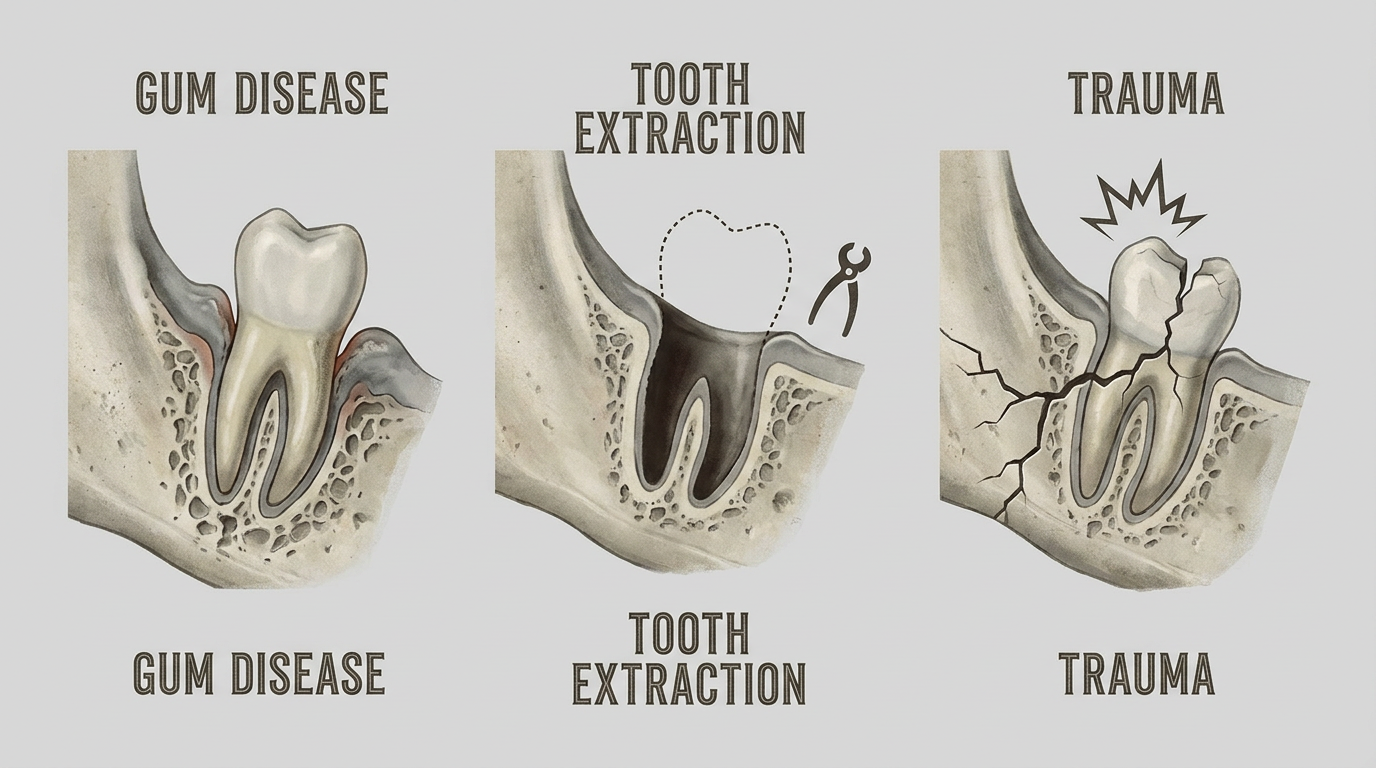
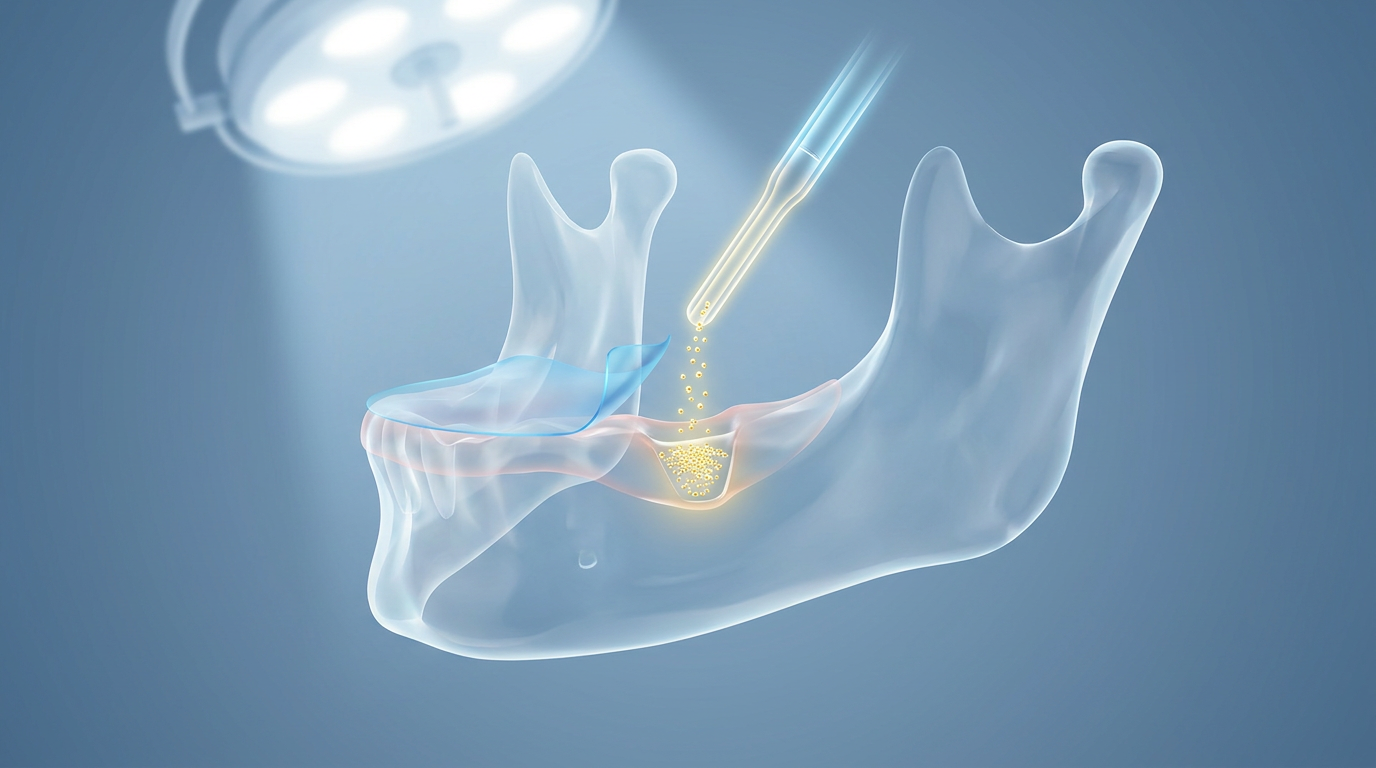
A dental bone graft is a surgical procedure to rebuild or augment the bone in your jaw, making it suitable for supporting dental implants.
2. How long does bone graft recovery take?
Bone graft recovery typically takes between three to nine months for the bone to fully integrate and heal before an implant can be placed.
3. Is bone grafting painful?
Most patients report only mild discomfort after bone grafting, which can be managed with prescribed or over-the-counter pain medication.
4. Why do I need a bone graft for implants?
You need a bone graft if your jawbone lacks sufficient density or volume to securely anchor a dental implant.
5. What are the different types of bone graft materials?
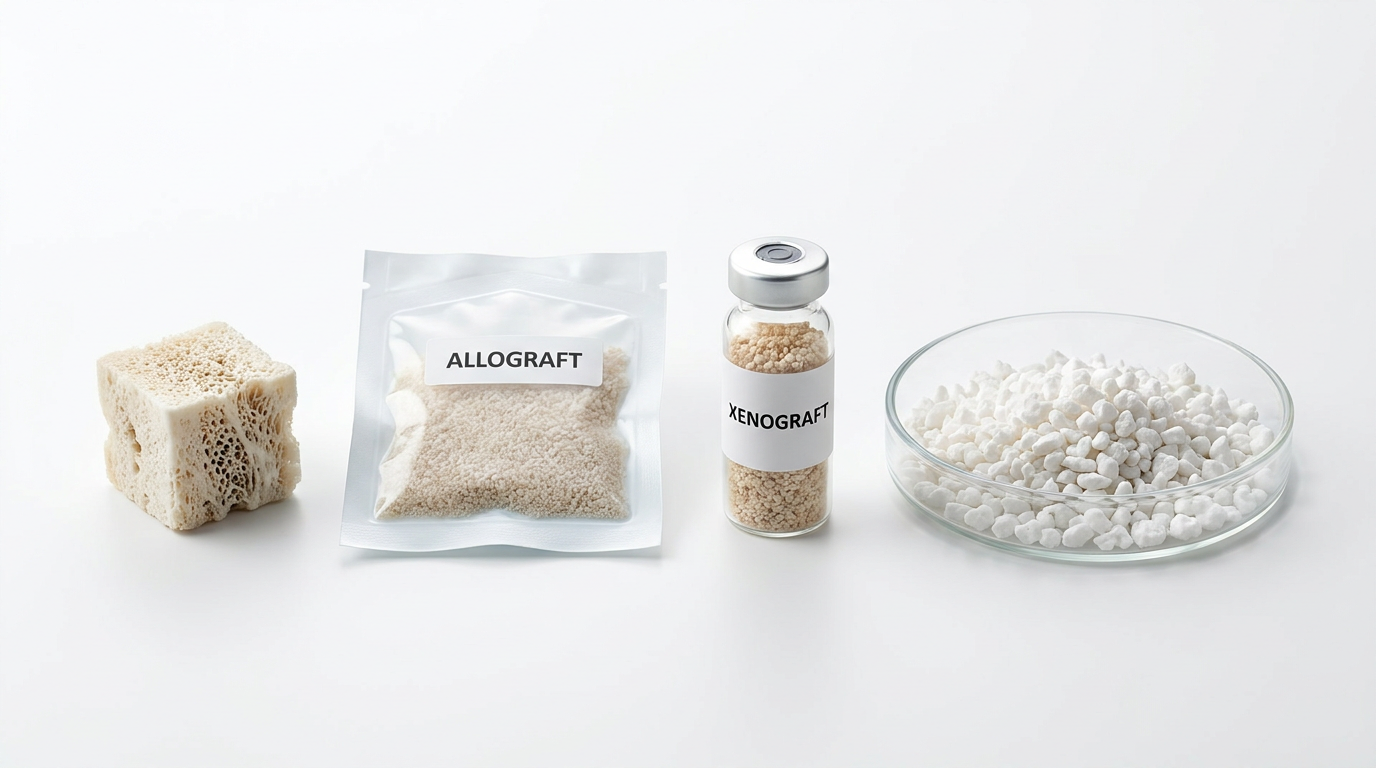
Bone graft materials include autografts (your own bone), allografts (human donor bone), xenografts (animal bone), and alloplasts (synthetic materials).
6. Can I get dental implants without a bone graft?
You can only get dental implants without a bone graft if your natural jawbone has sufficient density and volume to support them.
7. What is a sinus lift?
A sinus lift is a specific type of bone graft performed in the upper jaw to create more bone height for implants when the sinus cavity is too close.
8. How successful are bone grafts?
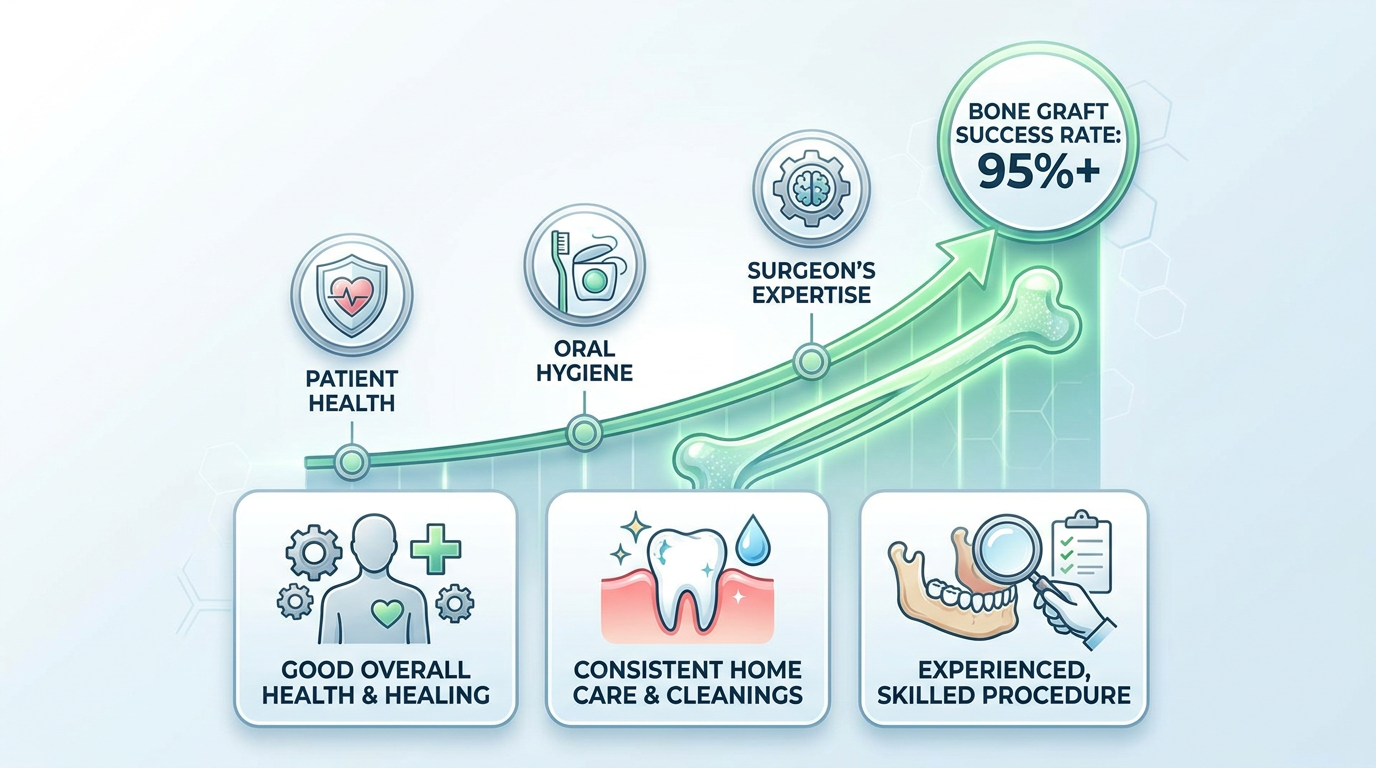
Dental bone grafts have a high success rate, often exceeding 90-95%, especially when performed by an experienced dentist like Dr. Nathan Chong.
9. What should I avoid after a bone graft?
After a bone graft, you should avoid strenuous physical activity, smoking, and eating hard or crunchy foods to aid healing.
10. Does insurance cover bone grafting?
Coverage for bone grafting varies significantly by insurance plan; our team at iSmile Dental Care can help you understand your benefits.